Anglesey’s Gems: Discover the Island’s Favourite Places
1. Llynnon Mill: A Glimpse into Anglesey’s Agricultural Past
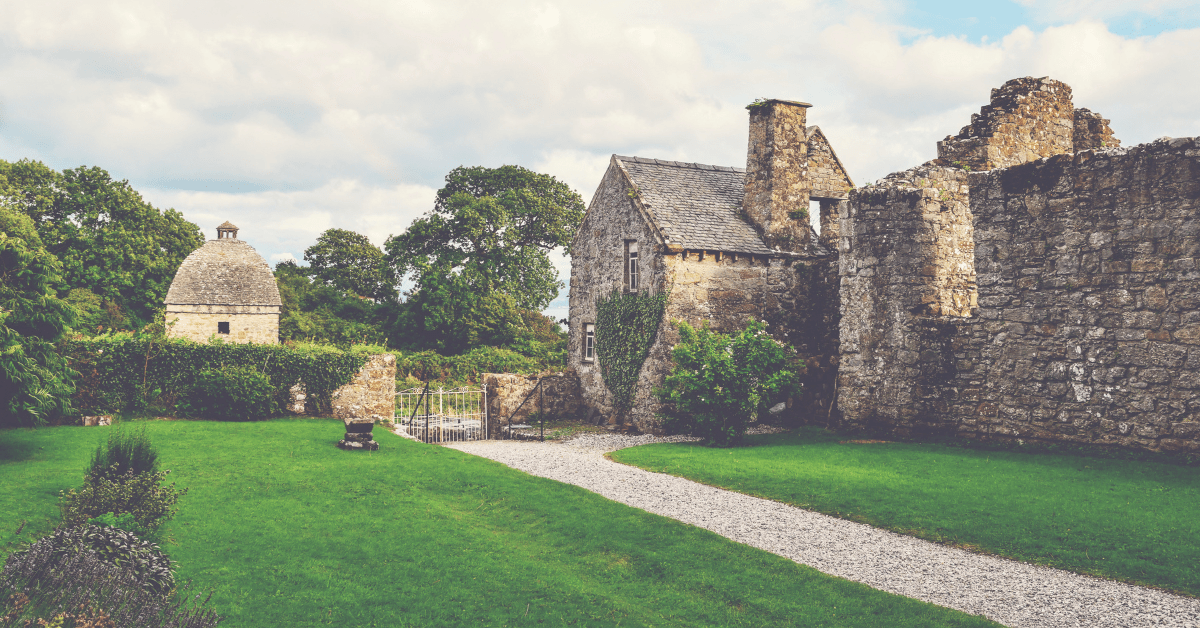
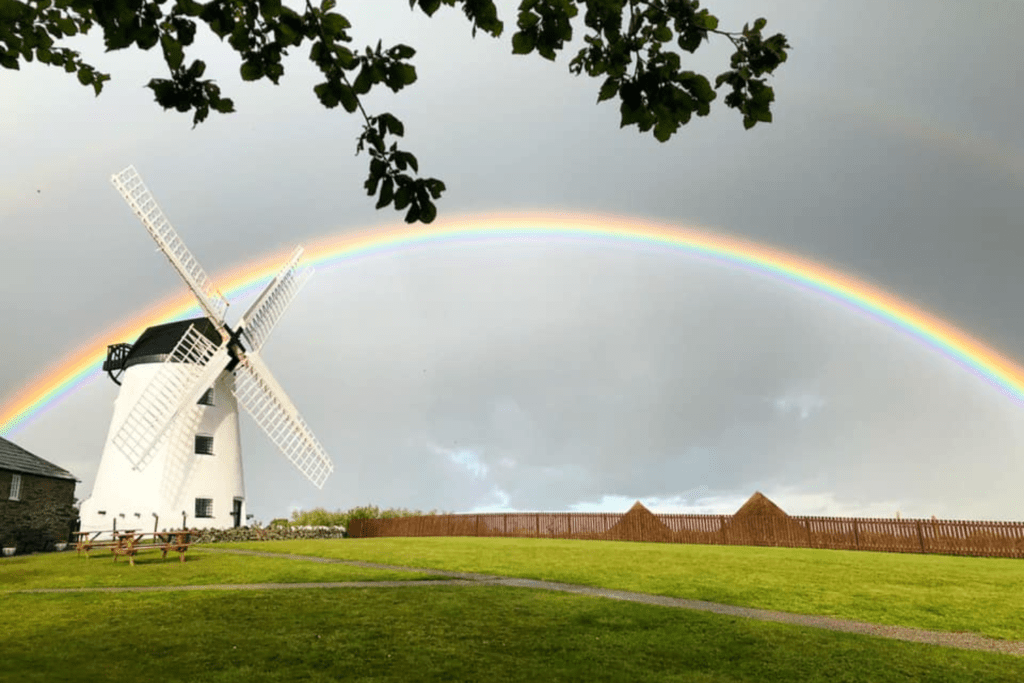
Perched on a hill in Llanddeusant, Llynnon Mill is the last working windmill in Wales. Built in 1775, it once played a crucial role in grinding flour for the surrounding communities. The mill has been lovingly restored and today offers visitors a chance to step back in time.
But Llynnon is more than just a mill—it’s a link to Anglesey’s rural heritage. Surrounding the mill are two reconstructed Iron Age roundhouses, which offer a glimpse into life on the island over 3,000 years ago.
In 2019, Anglesey native Richard Holt, formerly the Head Pastry Chef for Marcus Wareing in London, stepped in to save a historic windmill from closure. Now, he has transformed it into a thriving donut shop and chocolate factory that has become a local and tourist favourite.
2. Newborough Forest: A Wildlife Haven by the Sea
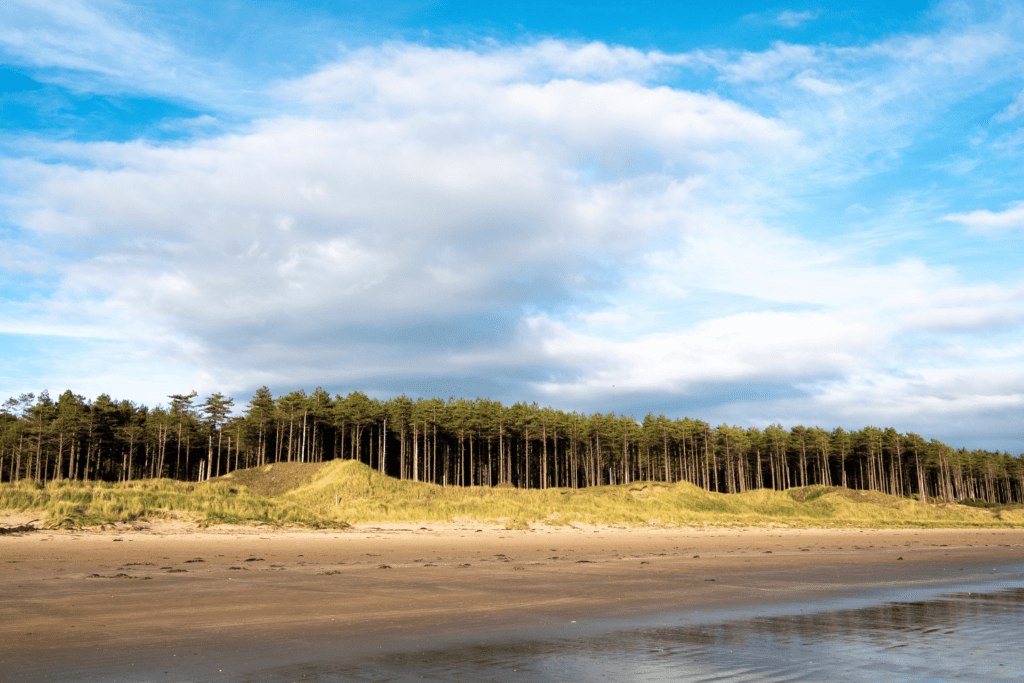
Newborough Forest is a must-visit. This expansive pine forest stretches across the southwestern tip of Anglesey, offering stunning views of the mountains of Snowdonia and the distant Llyn Peninsula. As you wander through its paths, you’ll discover a rich wildlife—keep an eye out for red squirrels, which thrive in this habitat, as well as diverse bird species, including the rare hen harrier.
The forest leads directly to Llanddwyn Island, a tidal island steeped in Celtic myth and history. Dedicated to Saint Dwynwen, the Welsh patron saint of lovers. Its wild beauty, combined with the shifting tides and rugged coastal views, make it a perfect place for photographers.
3. Amlwch Copper Mountain: A Forgotten Industrial Marvel
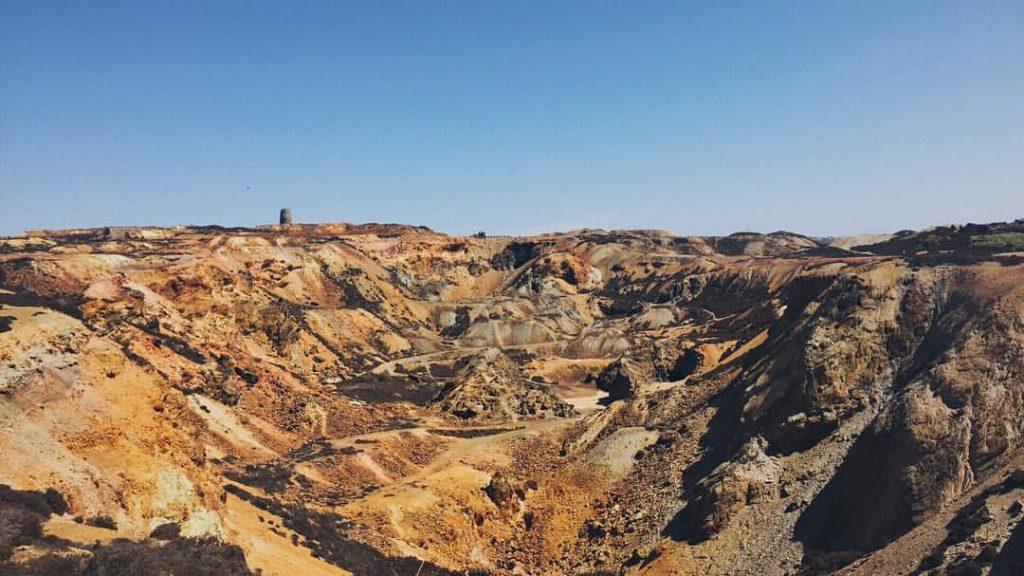
On the northern coast of Anglesey lies a striking landscape of copper-streaked rocks and jagged cliffsis Amlwch Copper Mountain, once home to the largest copper mine in the world during the 18th century. The copper mined here was used to protect the hulls of British ships, playing a vital role in the nation’s maritime history.
Today, Copper Mountain is a beautiful reminder of Anglesey’s industrial past. Visitors can explore the lunar-like terrain, where veins of blue and green minerals run through the rock. The Amlwch Industrial Heritage Trust has created walking trails that take you through the old mine workings and up to panoramic viewpoints over the coast. It’s a place where nature and history meet, offering a raw, untamed beauty unlike anywhere else on the island, and has been used many times for the backdrop of films and series, including Netflix’s Black Mirror.
4. South Stack Lighthouse: A Beacon of Natural Wonder
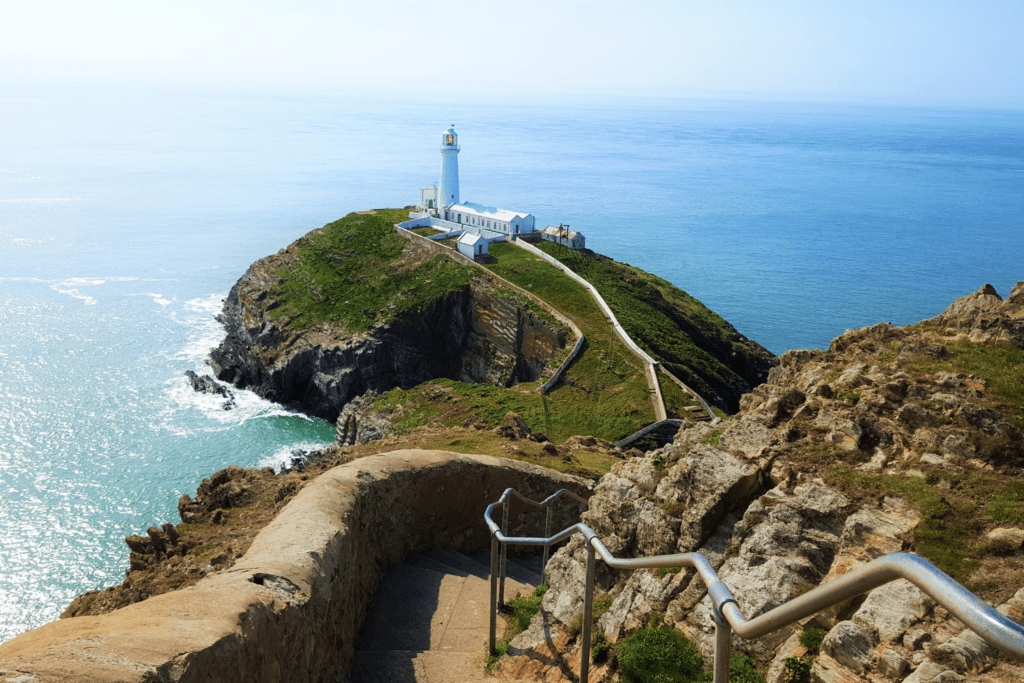
No visit to Anglesey is complete without a trip to the dramatic cliffs of South Stack, where the iconic South Stack Lighthouse has stood since 1809. Located on the island’s edge, the lighthouse guards a stretch of coastline and is still operational today, guiding ships safely past the rocky shores.
The lighthouse sits atop a rocky islet, accessible via a steep descent of 400 steps down the cliffs and across a narrow bridge. The journey down—and back up!—is rewarded with breathtaking views of the Irish Sea, and on a clear day, you might even spot dolphins or porpoises.
The cliffs surrounding South Stack are also home to a thriving seabird colony, including puffins, guillemots, and razorbills. The RSPB runs a visitor centre nearby, where birdwatchers can observe these incredible creatures up close during the breeding season. Whether you’re a wildlife enthusiast or simply seeking a view, South Stack is recommended.
5. Lligwy Burial Chamber: A Portal to the Ancient Past
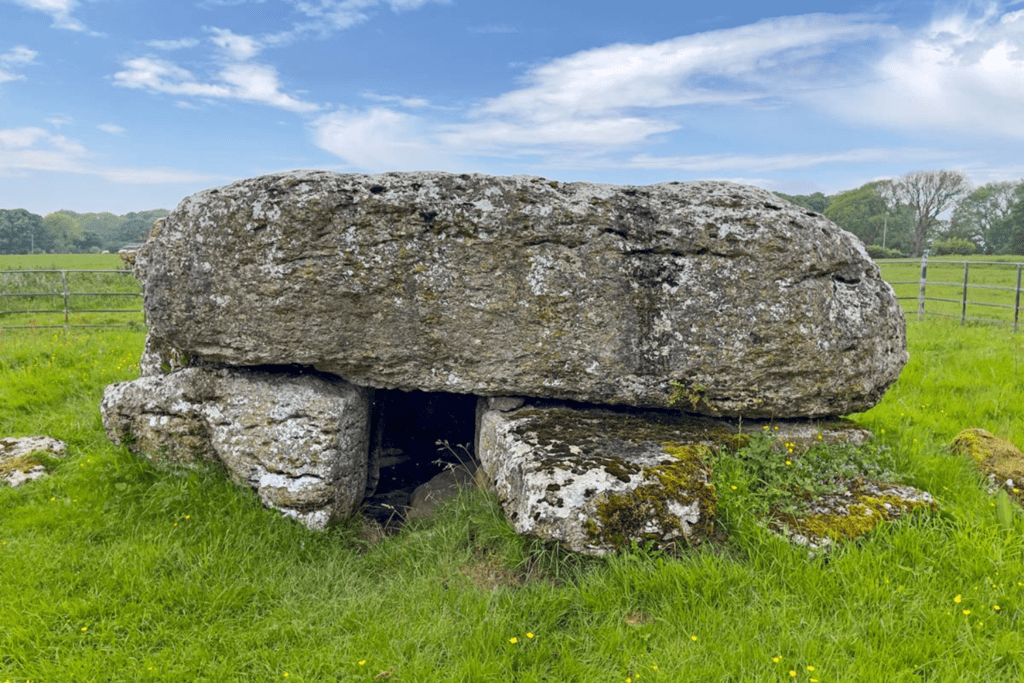
The Lligwy Burial Chamber, near the picturesque village of Moelfre, is one of Anglesey’s most remarkable prehistoric sites. This Neolithic burial chamber, dating back over 5,000 years, offers a connection to the island’s ancient inhabitants.
The site consists of a huge stone cap, resting on smaller upright stones. It was used as a communal burial place, and when it was excavated, archaeologists found the remains of over 30 people along with pottery and animal bones.
It’s the perfect spot to visit if you’re interested in the island’s ancient past and enjoy a quieter historical experience.
6. Mynydd Bodafon: A Mountain of Panoramic Views
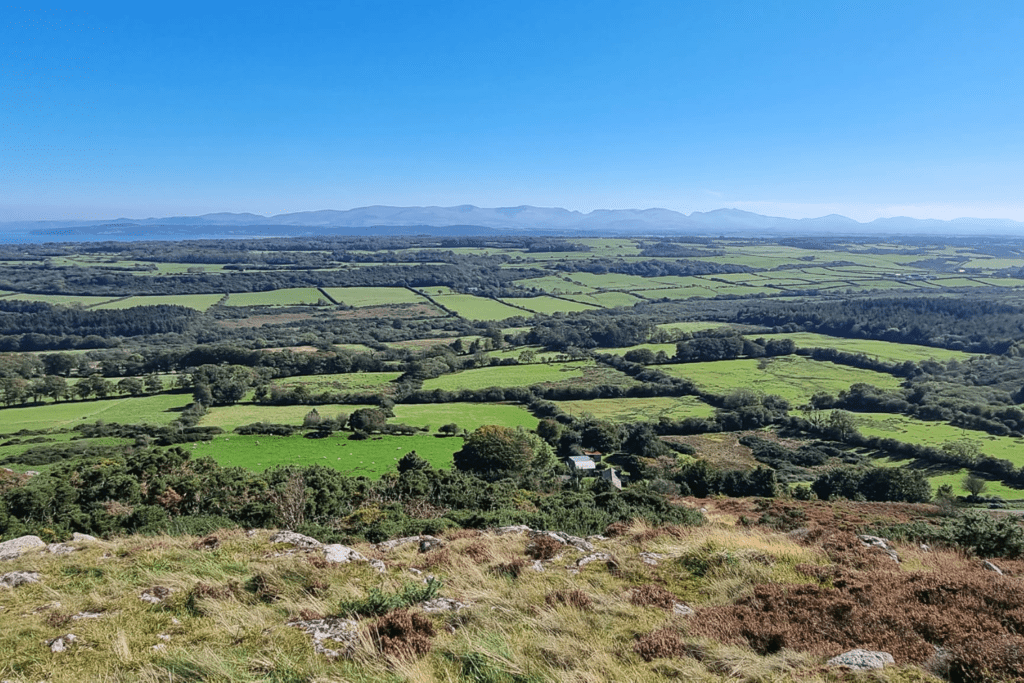
For lovers of nature and panoramic views, Mynydd Bodafon is a hidden gem! Standing as the highest point on Anglesey, this mountain offers a 360-degree views of the surrounding landscape. While only 178 meters tall, Mynydd Bodafon’s summit—known as Yr Arwydd—provides a perfect vantage point to see both the rugged coastline and the rolling fields.
The mountain is a haven for wildlife and boasts a diverse ecosystem, from heathland and wildflowers to birds of prey. Explorers will find several walking paths winding up to the summit, each offering a peaceful journey up the mountain. The views from the top are spectacular, stretching across the Irish Sea and, on a clear day, encompassing the peaks of Snowdonia.
Mynydd Bodafon is also known for its legendary status in local folklore. Some say the mountain is home to fairies and mystical creatures, adding a magical layer to its beauty.
Mynydd Bodafon is less than an hour’s walk from Tyddyn Isaf and is a short 10-minute drive to the location.